

inner transcendental bodies : ค้นหาหนังสือธรรมะ
หน้าหนังสือทั้งหมด
46
Mindfulness Practices in Buddhism
1. mindfulness of the body [kāyunupassanāsatipaṭṭhāna]: Continuously seeing and knowing the body in the body — that is to see and know the subtle inner bodies that lie hidden within our physical body:
This text delves into the four foundations of mindfulness (satipaṭṭhāna) in Buddhism. It teaches practitioners to continuously observe the body, feelings, the mind, and mental phenomena. 'Mindfulness
124
Understanding the Inner Bodies and Enlightenment
the centre of the body, in the same way as described earlier, in entering the centre of the Pathama Magga Sphere, successive inner bodies can be attained, going further inside the subtle human body —
This text discusses the progression through successive inner bodies leading to the Dhammakāya, emphasizing the distinction between mundane and transcendental bodies. It highlights that all worldly bod
136
Understanding the Inner Bodies on the Path to Enlightenment
them and go further through the centre until attaining the Body of Enlightenment — the most subtle of the inner bodies.
The inner bodies between the Paṭhama Magga Sphere and the Body of Enlightenment
This text delves into the various inner bodies that exist between the Paṭhama Magga Sphere and the Body of Enlightenment. These include the Subtle Human Body, Angelic Body, and several Brahma Bodies,
61
Exploring the Concept of Dhammakaya
First, as a *kammadhāra* compound, the translation of the term *dhammākāya* will be ‘the body that is transcendental (lokuttara) dhamma’ or ‘the body that is Nibbāna.’ This gives a similar sense as th
The term Dhammakaya can be viewed in two ways: as a kammadhāra compound translated to mean 'the body that is transcendental dhamma' or as a tappurisa compound meaning 'body pertaining to transcendenta
233
Exploring Suffering and Enlightenment in Buddhist Philosophy
dying 58, 67-9, 199; of exposure to third absorption 129, 130, 131
hateful things 71-2; of illness, 12, thought, discursive, sense 96, 100
46, 57, 66-7, {metaphors: donkey thought-conception: discursi
This text delves into the intricate themes of suffering and enlightenment within Buddhist teachings. It explores the various aspects of suffering, including its origins and manifestations, and the pat
113
Discovering Inner Transcendental Bodies
…t when the mind is relaxed in a standstill state, while resting at the center of the Dhamma Sphere, inner transcendental bodies will emerge, one after another: from coarse human body to subtle human body, from subtle human body…
This text discusses the emergence of inner transcendental bodies through relaxation at the center of the Dhamma Sphere. As the mind achieves a state of calm and sti…
137
Understanding the Bodies of Enlightenment
ment, the Arahatta Body of Enlightenment [Dhammakāya Arahat] and the Subtle Arahatta Body of Enlightenment.
Thus there are ten types of Bodies of Enlightenment.
The Benefits of Attaining the Inner Bod
This content discusses the ten types of Bodies of Enlightenment, including the Arahatta Body and Subtle Arahatta Body, emphasizing the benefits of attaining inner bodies for personal growth. Meditator
67
Understanding Dhammakāya in Relation to Paccekabuddhas and Enlightenment
early texts that 'dhammakāya' must be singular. 100 In any case, the verse conveys the meaning that a Paccekabuddha has dhamma(s) as his body (or bodies), where 'dhammas' refers to the qualities perta
This study analyzes the term 'dhammakāya' and its relation to enlightenment. Dhammakāya is presented as a singular concept applying to both the Buddha and Paccekabuddhas, emphasizing that 'dhamma' ref

160
Understanding Transcendental Inner Bodies and Meditation
individual person possesses 18 transcendental inner bodies, which can be reached through advanced stages of meditative absorption. Once a person reaches the Dhammakaya, the purest of all transcendenta
This text discusses the concept of 18 transcendental inner bodies accessed through advanced meditation, reaching the Dhammakaya for profound insights. It also covers the Five Hindrances, which are neg
68
Understanding Mundane and Transcendental Merit
92. ACQUIRE BOTH MUNDANE
& TRANSCENDENTAL MERITS
Addressing someone who wanted only to meditate and not participate in any mundane chores:
I acquire all forms of merit, mundane and transcendental. Mun
The text discusses the balance between mundane and transcendental merits in personal growth and meditation practice. Mundane merit is achieved through good deeds which contribute to self-development,
114
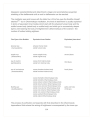
Understanding Dispassion and Detachment in Dhammakaya Meditation
dispassion (ekantanibbida) and detachment (viraga) and accomplishes sequential shedding of the defilements until an end to defilements can be reached.
The meditator sees and knows with the latter fou
This text delves into the significance of dispassion (ekantanibbida) and detachment (viraga) in the process of shedding defilements through meditation. It illustrates the attainment levels based on th
123
Understanding Suffering and the Subtle Human Body
wealth. As the majority of sorts of suffering concerns material things, having attained the subtle human body, the mind, being unified with the subtle human body, is safely withdrawn beyond the reach
This text discusses why most people suffer due to attachment to their physical bodies and possessions, despite intellectually understanding Buddha's teachings on impermanence. The author emphasizes th
121
Light of Purity
Light of Purity
Don’t get excited when you see the bright light, or wonder where the light is coming from, or whether you have left the lights on. Be unaffected by it. Feel happy that there is bright
The text discusses the natural emergence of inner light when the mind is tranquil and purified. It encourages readers to remain unaffected by the brightness, much like appreciating the sunrise without
74
Understanding Dhammakāya and Enlightenment
the function of each particular transcendent dhamma.116 The totality of transcendental qualities constituting each transcendental state, which is identified earlier with dhammakāya, denotes a degree o
This text analyses the concept of dhammakāya, highlighting its connection to enlightenment and the associated happiness. It emphasizes the blameless nature of dhammakāya and notes Gotami's insights in
93
Understanding the Impermanence of the Body and the Pursuit of Transcendence
wise will use the indications of deterioration in their own body to wake themselves up to the fact that the body can offer the spirit no true refuge.
**The Physical Body is a Storehouse of Unwholesome
The text discusses the physical body as a storehouse for unwholesomeness, suffering, and illnesses due to our desires. It contrasts this with the nine supreme transcendental attainments, which include
112
Understanding Inner Dhamma
Inner Dhamma
We used to perceive that the inner Dhamma was something profound and difficult to attain, that one had to put in an immense amount of effort and had to do it in a remote place in order to
Inner Dhamma was once seen as a profound, difficult achievement requiring immense effort in isolation. However, it is now understood that maintaining an alert, relaxed, and still mind allows access to
198
Adapting Teaching Practices Through the Middle Way
how to adapt the teaching for our personal practice. How-ever, if we look at how Luang Phaw Wat Paknam explained these same words, compiled from sermons he gave on many occasions:
SECTION 2: THE MIDDL
In this exploration of the Middle Way as explained by Luang Phaw Wat Paknam, we learn about its significance in achieving insight and reality perception. The Buddha emphasizes the importance of the 'i
111
Understanding the Dhammakāya in Insight Meditation
called the ‘Coarse Dhammakāya Arahant’ or the ‘Subtle Dhammakāya Arahant’ — the latter two being the bodies of enlightenment of the arahant. The Dhammakāyas are all transcendental [lokuttara] in natur
This text delves into the concept of Dhammakāya Arahant, distinguishing between the Coarse and Subtle Dhammakāya. It explains that these bodies are transcendental and consist of pure aggregates that a
135
Understanding the Pathama Magga Sphere
the other virtues.
For as long as a meditator cultivates the Noble Eightfold
Path purely, completely and according to the principles of
the Middle Way (i.e. with the mind entering continuously
upon th
This text delves into the Pathama Magga Sphere, an important concept in meditation that arises when the Noble Eightfold Path is fully realized. It explains how the mind can be liberated from external
54
Understanding Dhamma and Brahman in Buddhism
In the case that 'brahma-' refers to the neuter 'brahman'
In the other case in which the term brahma- is translated as 'brahman'63 the ultimate,64 the third parallel65 suggests that the term dhamma in
This text clarifies that the term 'brahma-' can refer to either the masculine 'Brahmā' or the neuter 'brahman,' ultimately leading to the view that dhamma signifies transcendental realities. It sugges